Architects: Abel Chamberlin, Juan Cruz Begino, Luis Molina, and Martina Carassale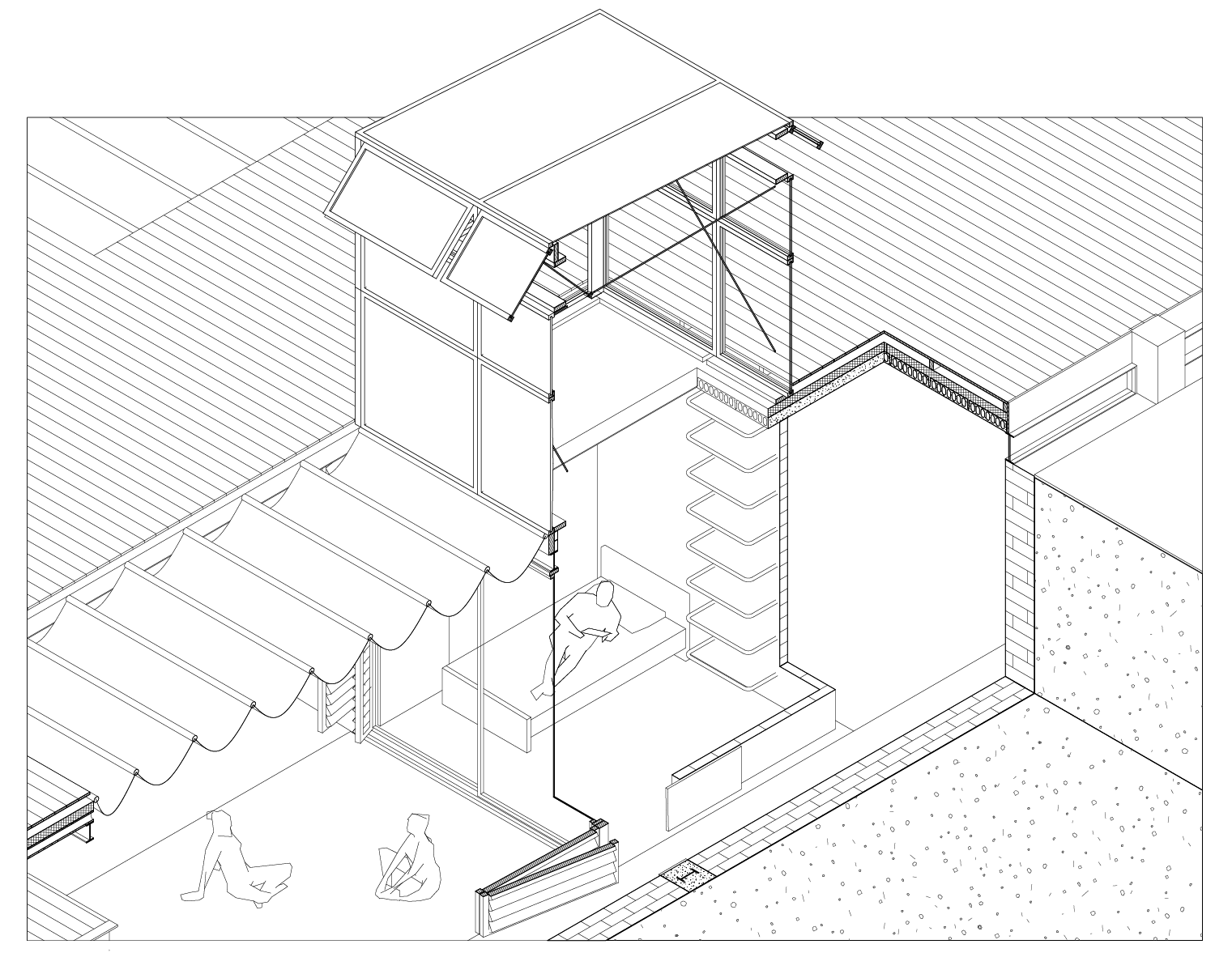
This module examines how climate, thermodynamics, and ecological principles generate new design opportunities in architecture, particularly for collective housing. It highlights the interconnections among local climate, daily life, and patterns of inhabitation, and instructs students to develop designs from the interior outward, guided by atmospheric and physiological requirements.
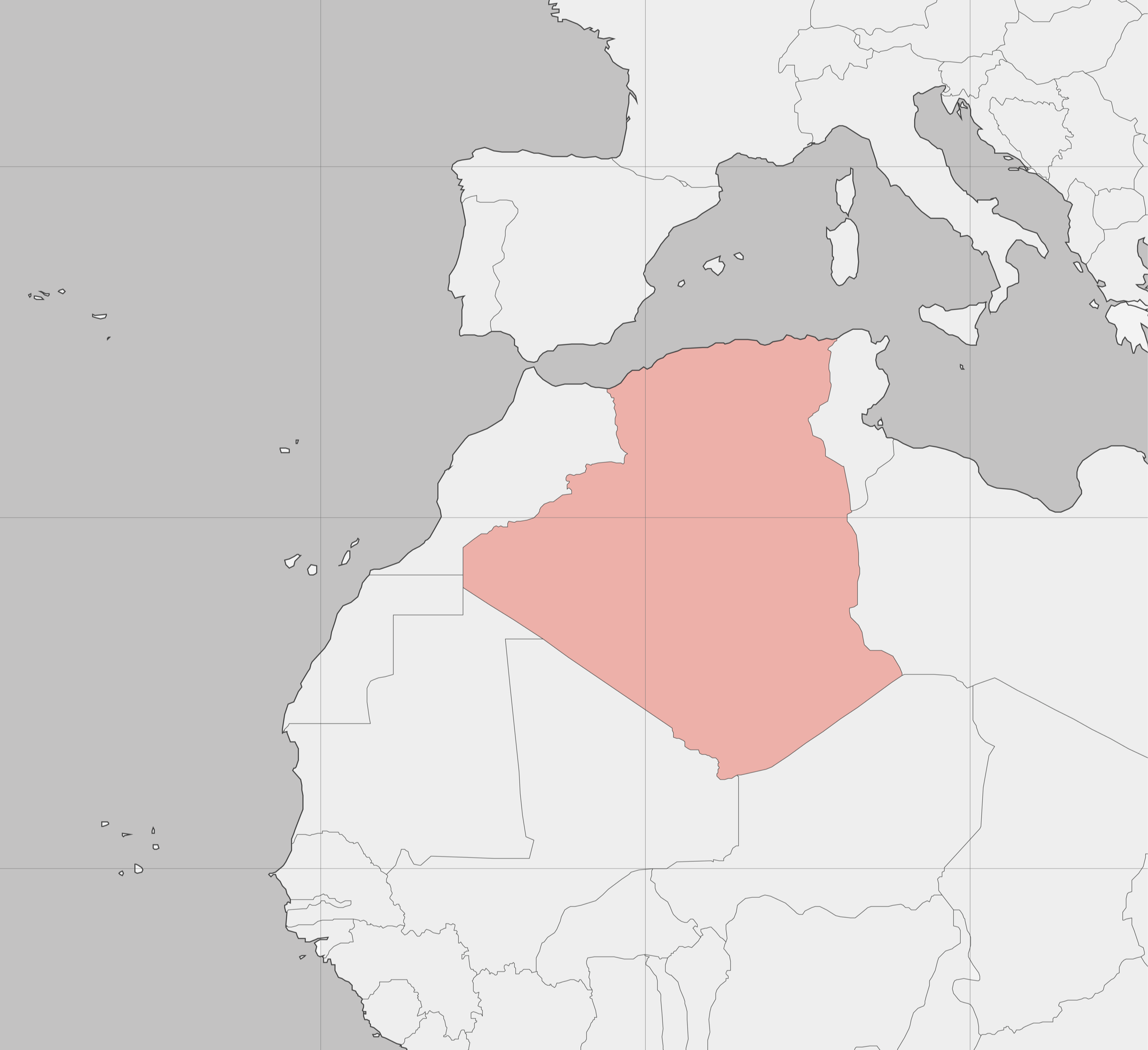
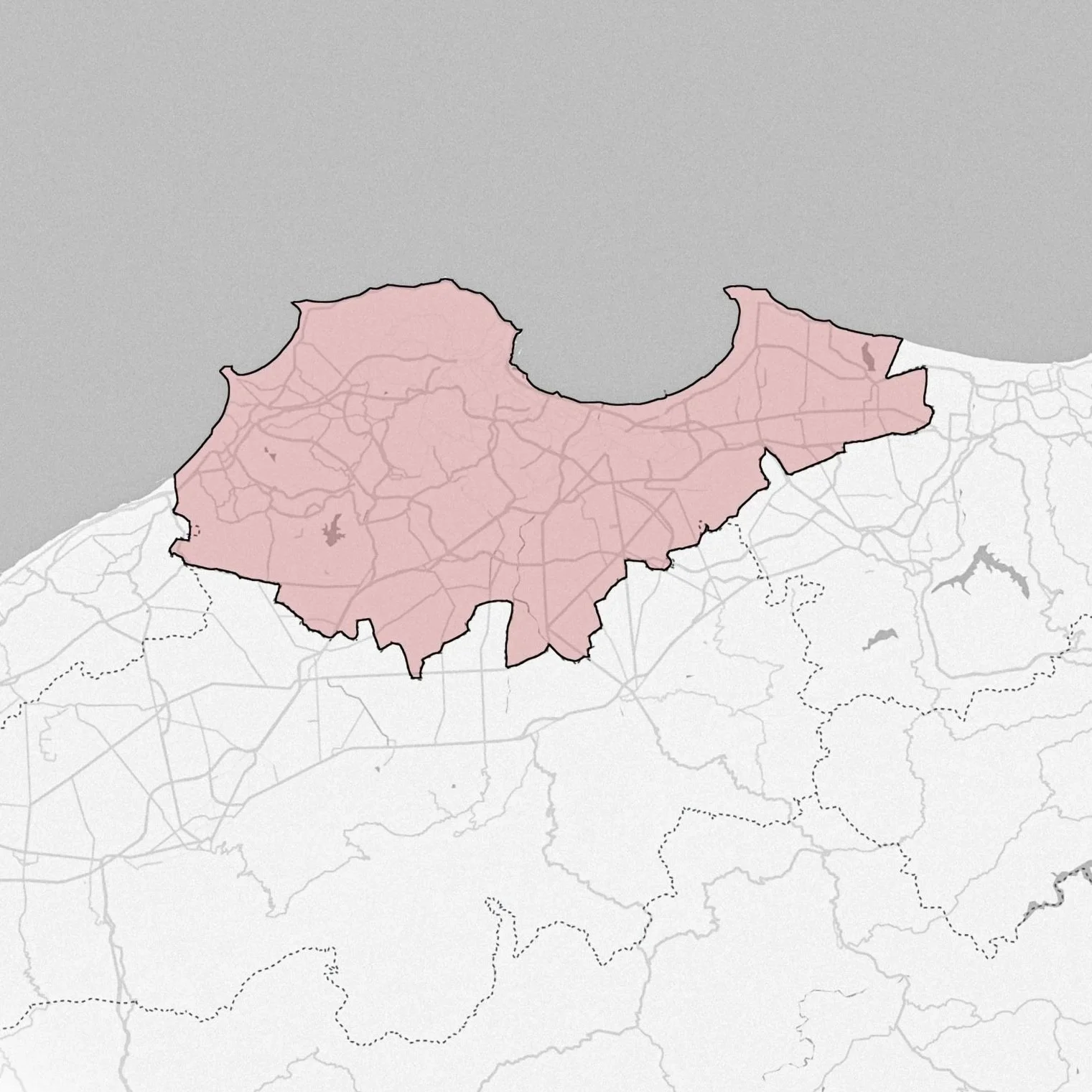
Algiers is a vibrant coastal capital, home to approximately 3.5 million inhabitants in the greater metropolitan area. It is the largest city in Algeria, with a mix of dense urban fabric and expansive residential zones spread over 363 km². The city lies between the Mediterranean Sea and the Sahel hills, creating a unique topography of sloping terrain and sea-facing views. Algiers is along a curved bay and includes historical quarters like the Casbah, which rises dramatically from the shoreline.
CLIMATIC DESCRIPTION: Algiers, Algeria

Mild winters with average temperatures around 10–15°C and hot summers peaking above 30°C, with the most comfortable temperatures aligning with the spring and autumn months. 
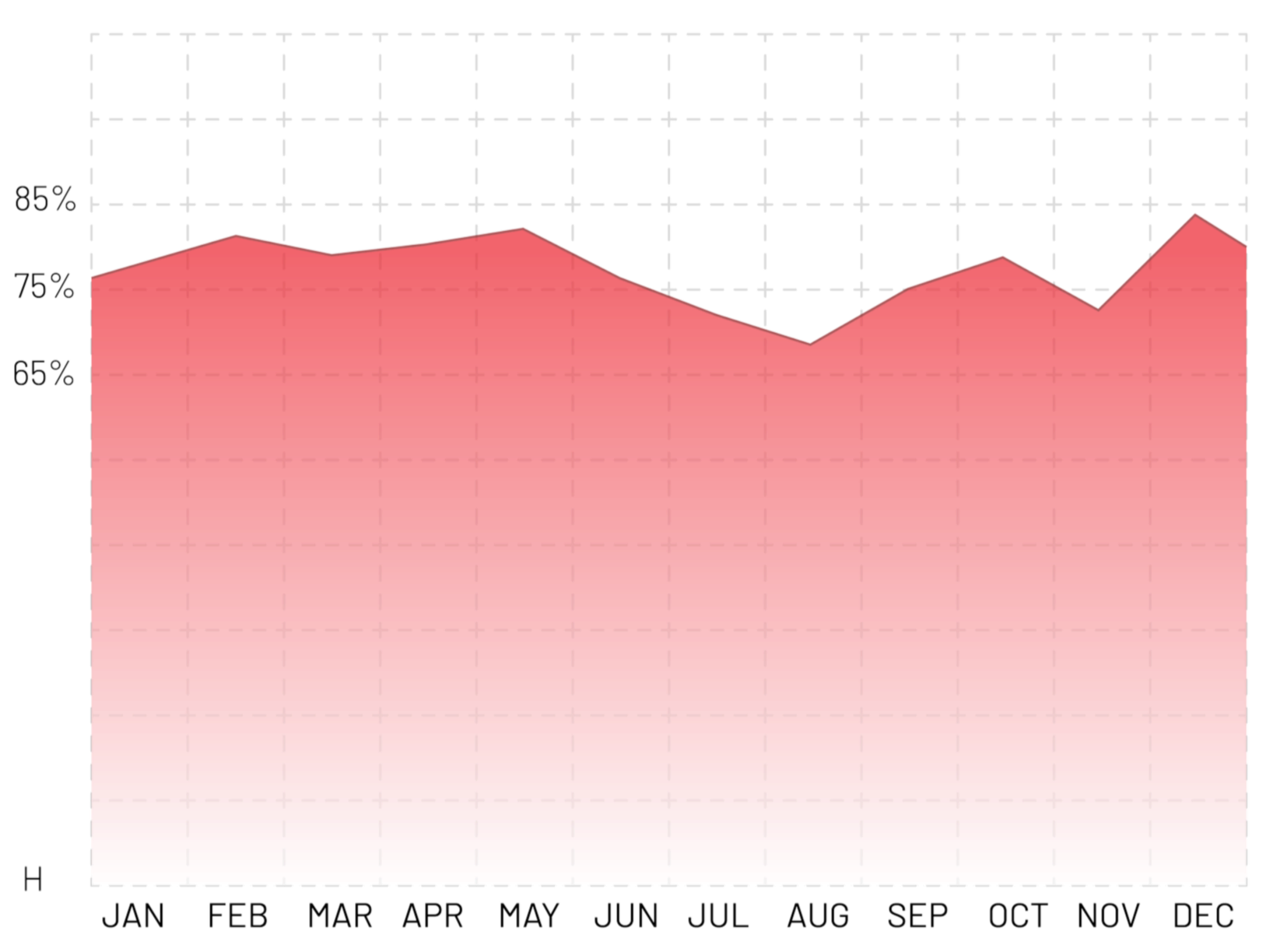
The direct sunlight in Algiers is strongest from May to August, peaking in June and July, while it is lowest during the winter months, especially December and January.Algiers maintains high relative humidity year-round, averaging between 65% and 80%, with the lowest levels in July and August and the highest in winter months like December and February.HUMAN CLIMATIC ANALYSIS: Architecture of the Body
The human architecture for this project was just as important as the general climate analysis. Specifically, the architecture of common clothing in Algiers, Algeria. Because of their common garment, the temperature outside could be 40 degrees Celsius, while the temperature inside the clothes is below 30 degrees Celsius. This understanding of the human architecture made us wonder how that structure reacts to the common tectonic architecture in Algiers.
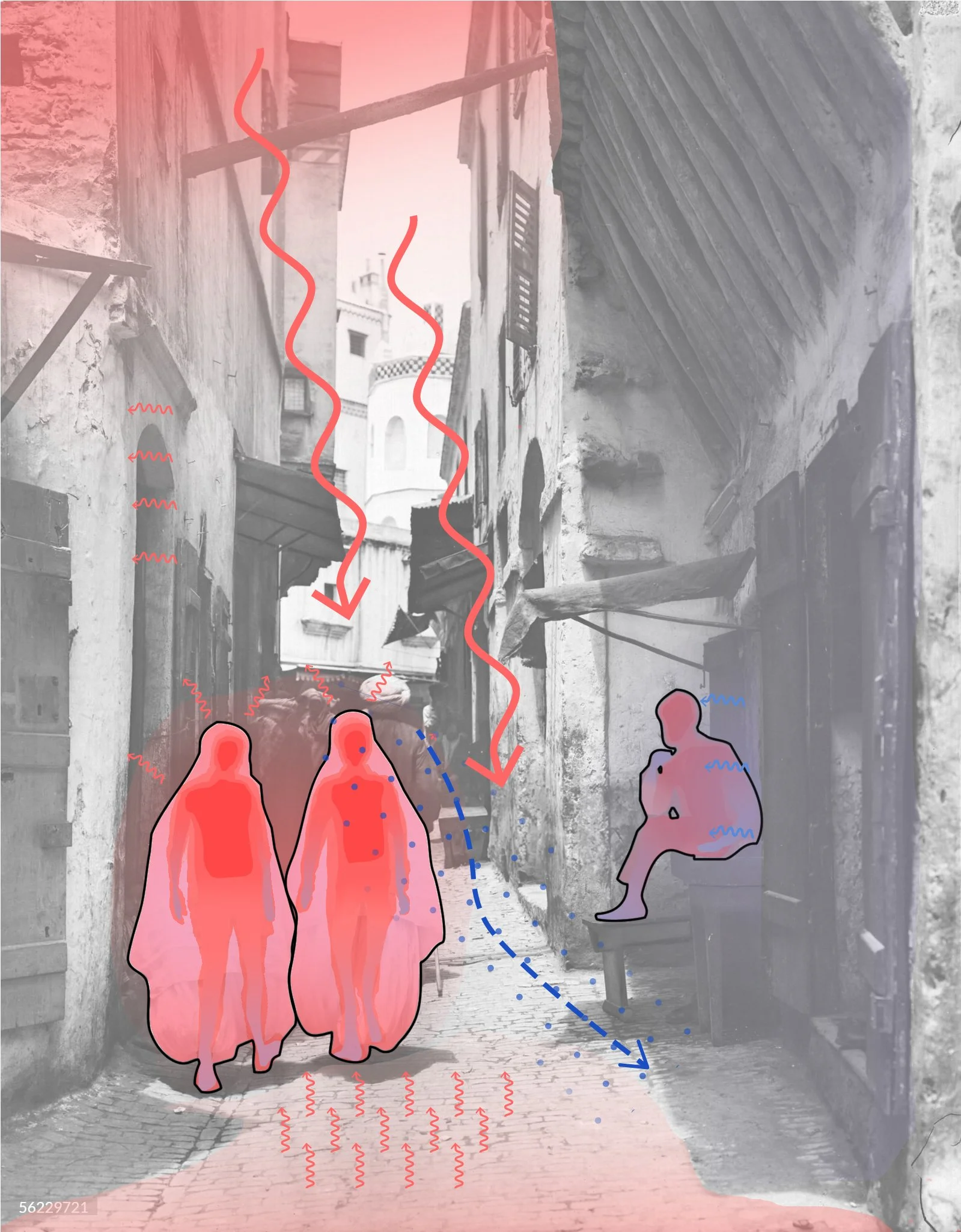
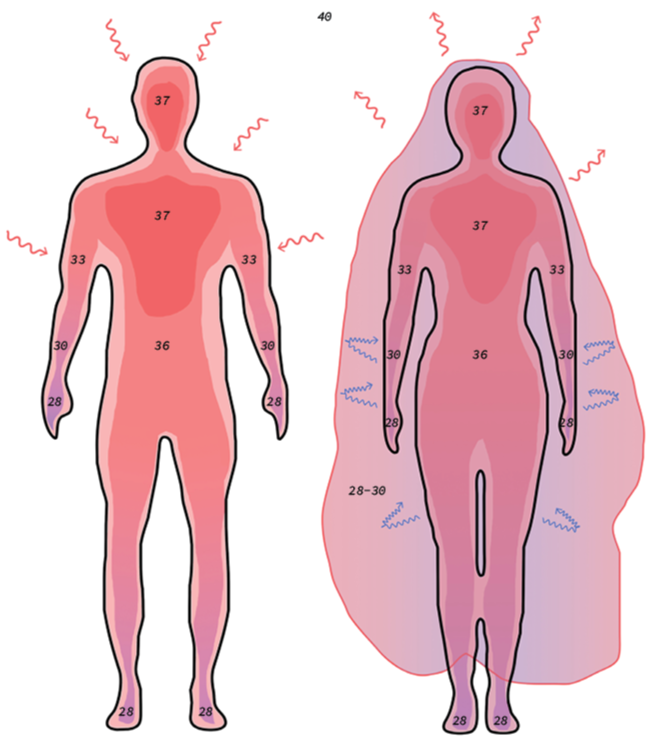
A microclimate is created between the fabric and the skin. Using sweat turned into vapor to cool the air around the body.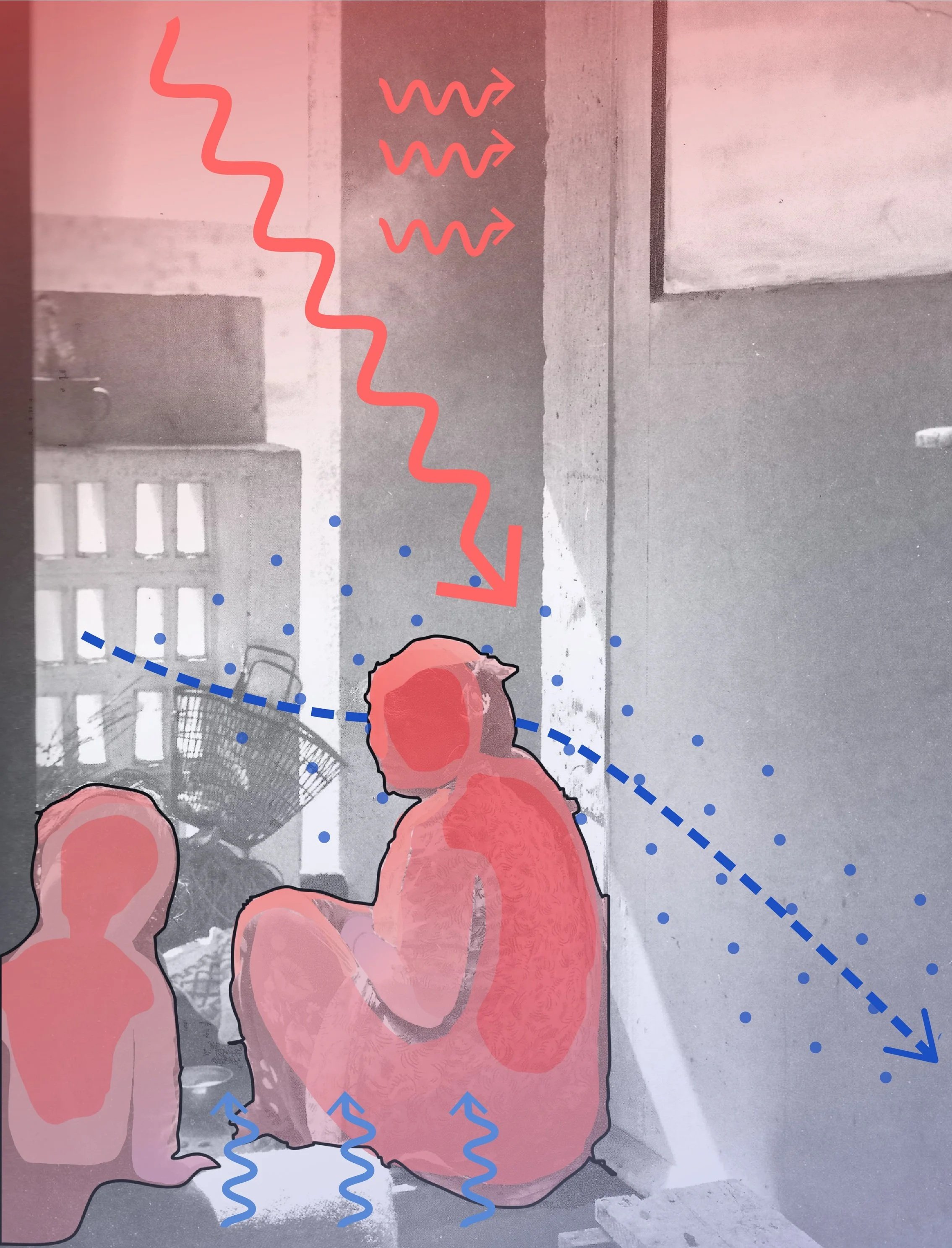
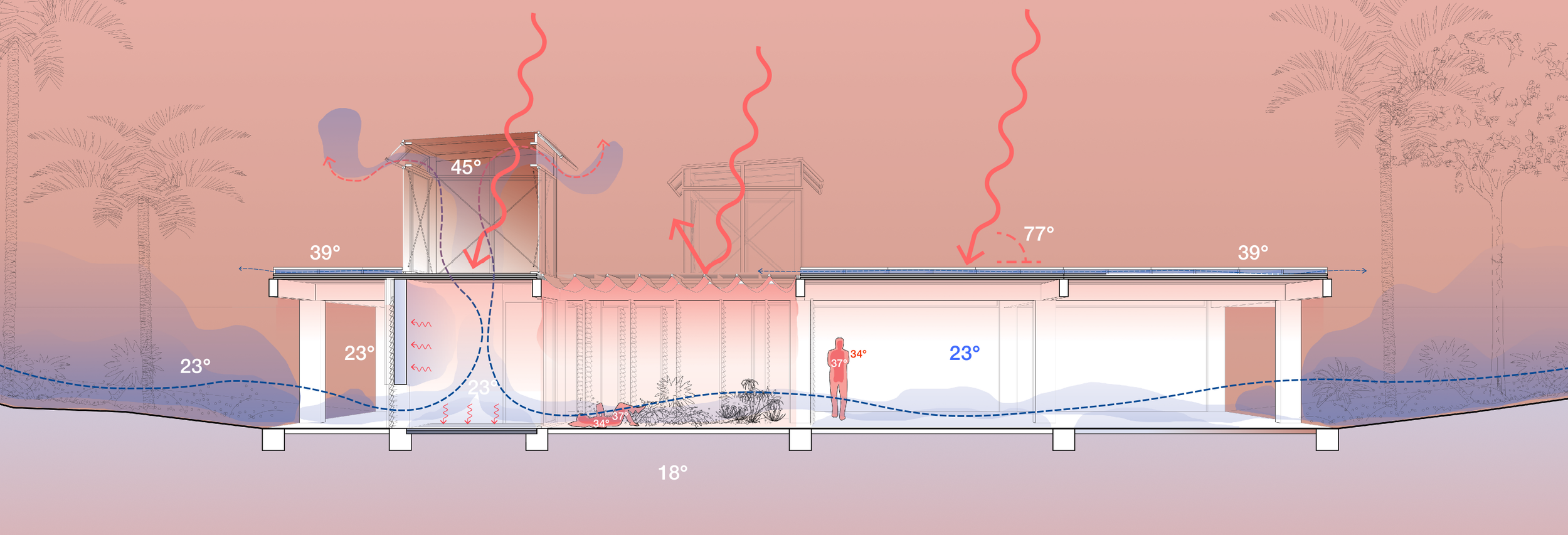
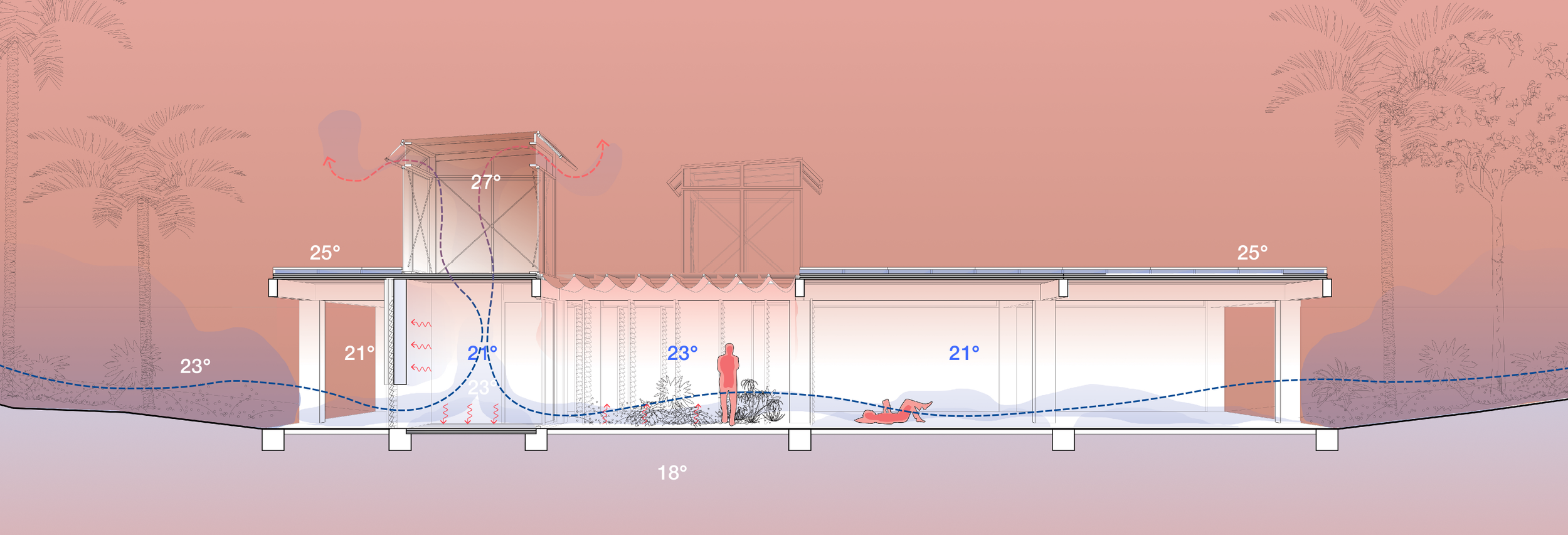
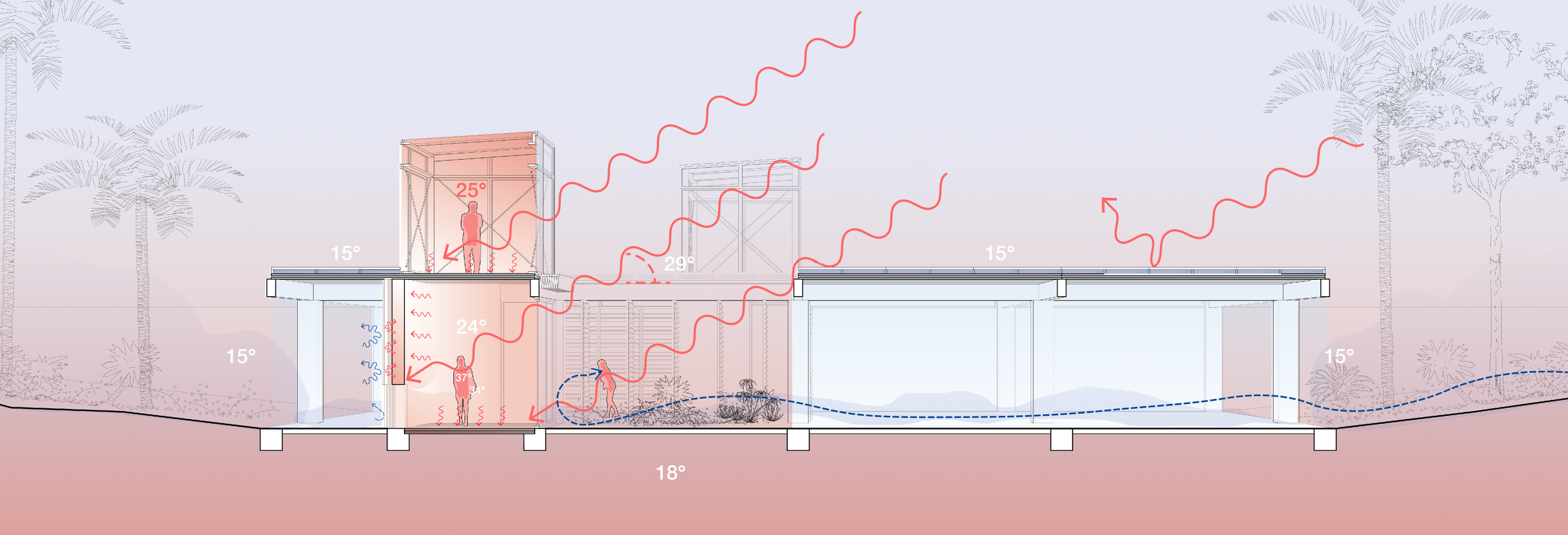
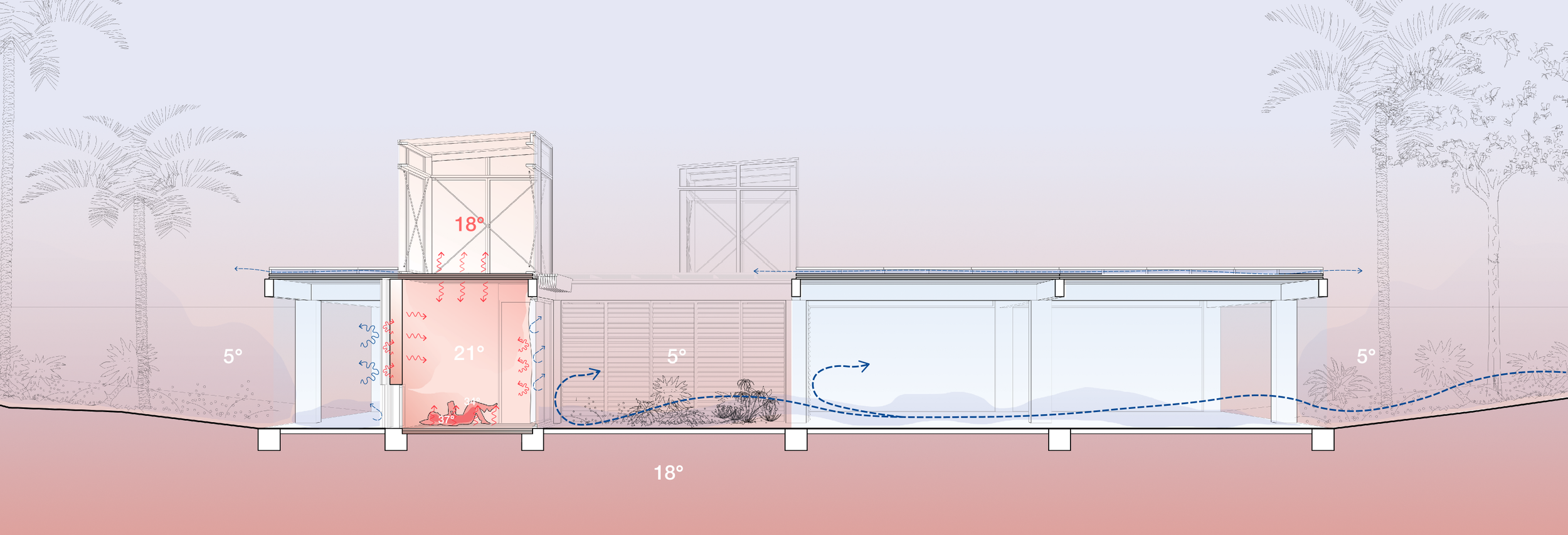
As summers can reach 36 degrees and winters can drop to -2 degrees, it is important to provide areas to escape the heat and areas to shelter from the summer sun. To do this, the initial mass was placed underground with winter gardens placed above to create a temperature threshold.
PROJECT MASSING: Oasis Community
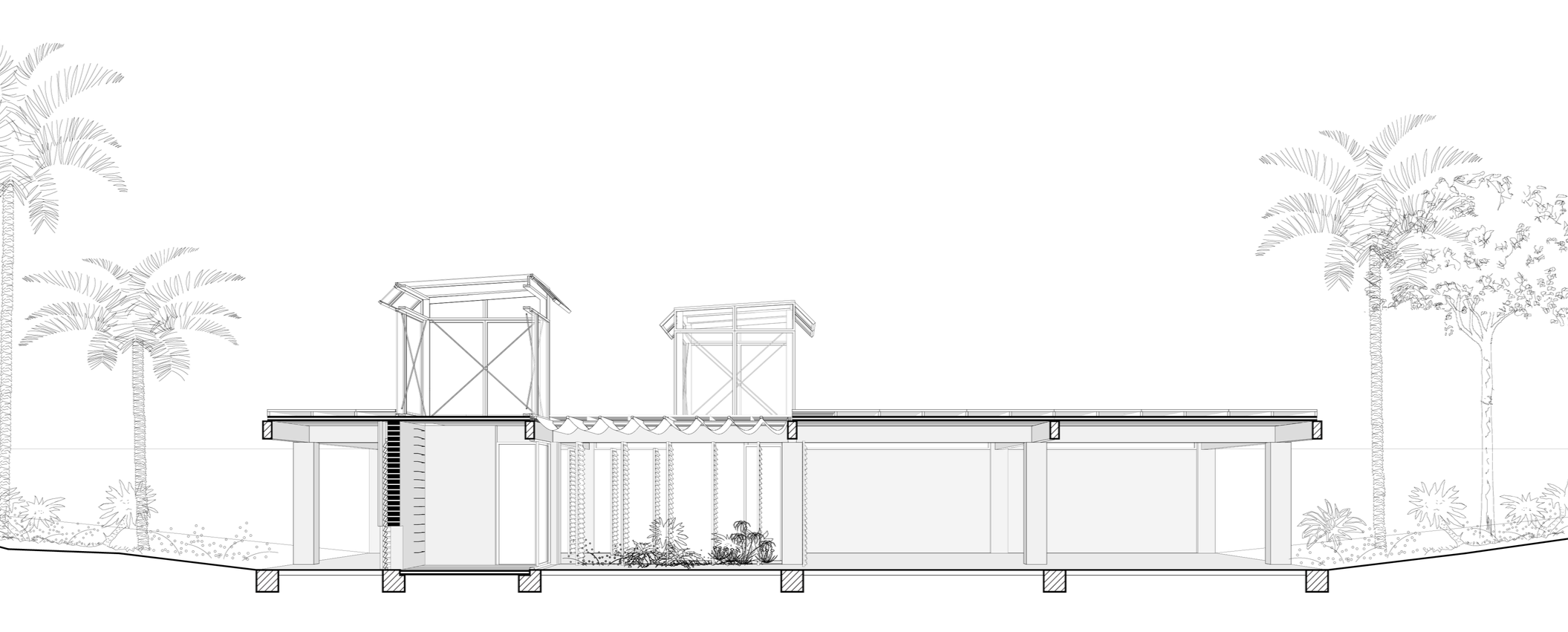

Summer Sections: Day and Night Climate Comparison
Winter Sections: Day and Night Climate Comparison
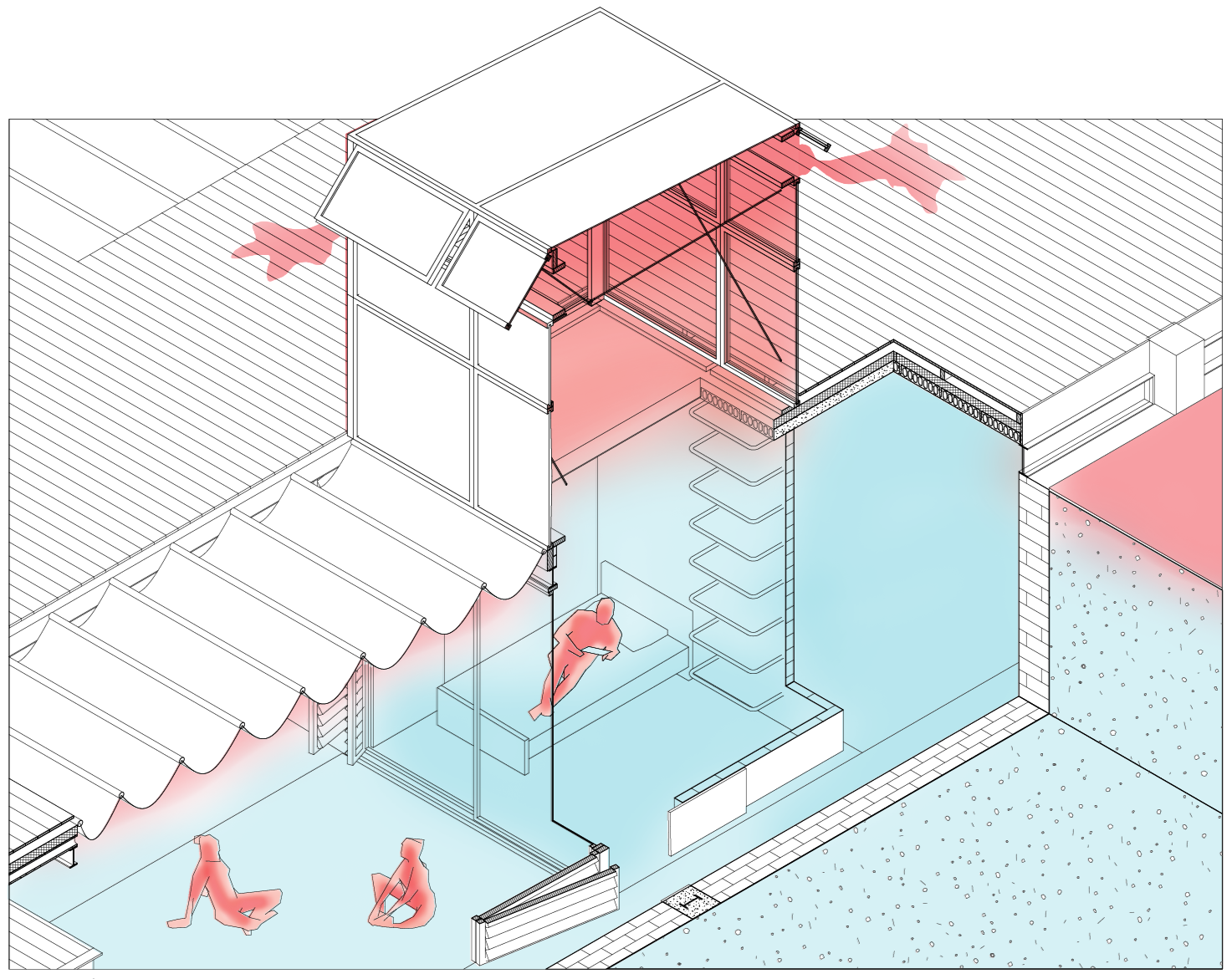
DETAIL AXO: Patterns of Inhabitation
Summer Inhabitation:
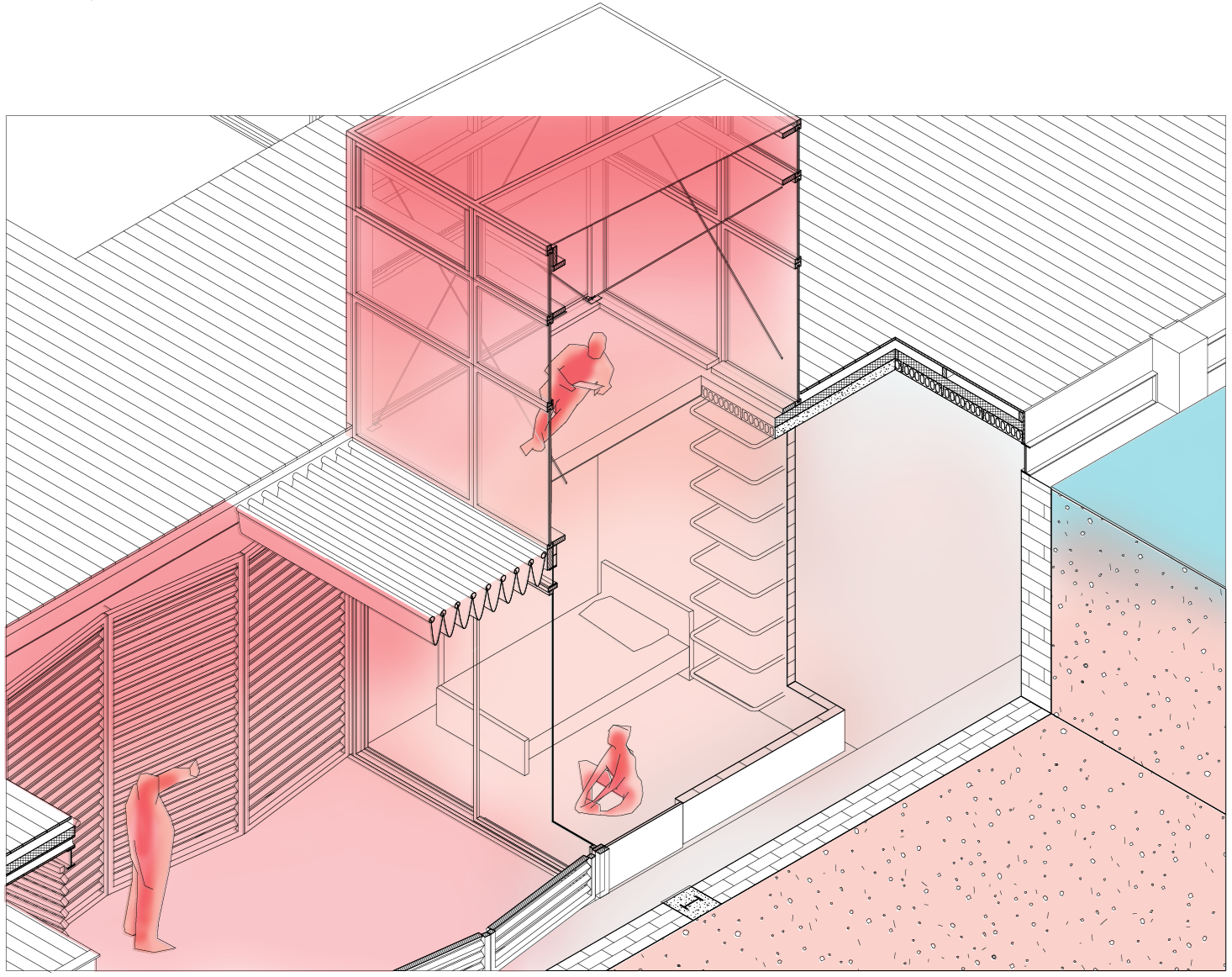
Winter Inhabitation:
The final study of this project examined how climate, architecture, and humans interact during seasonal changes.
How does a change in climate alter the way our structure is inhabited?