Abel Chamberlin, Juan Cruz Begino, Bea Candano, Nada AzzezThis workshop examines how architecture can respond to the interconnected challenges of housing scarcity and environmental degradation by leveraging existing urban structures rather than constructing new buildings. It focuses on large, abandoned modernist buildings as opportunities for adaptive reuse, proposing their conversion into biodiverse residential complexes that accommodate both human and non-human inhabitants.
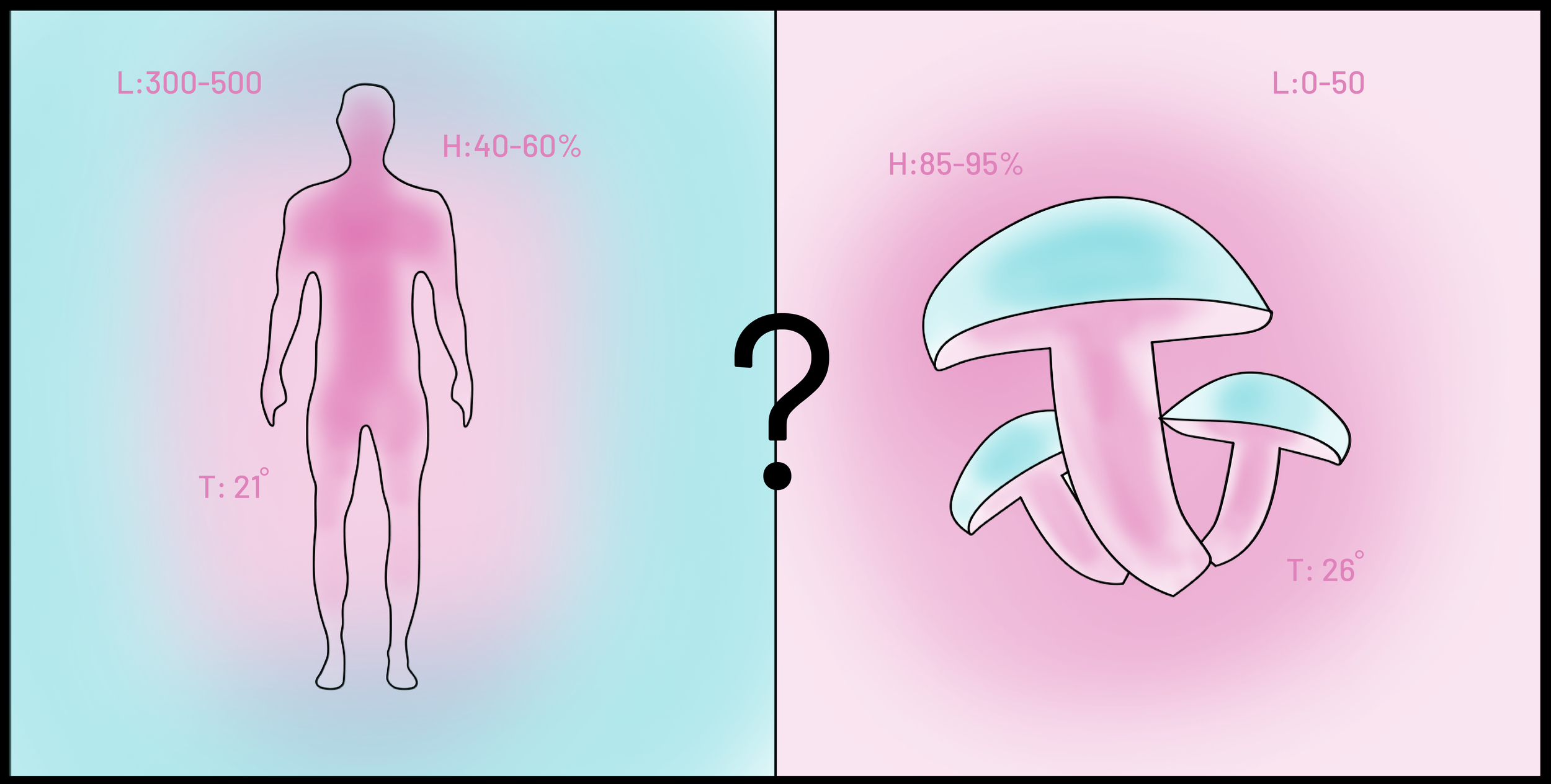
SYMBIOTIC CONNECTION: How can mushrooms and humans live together?
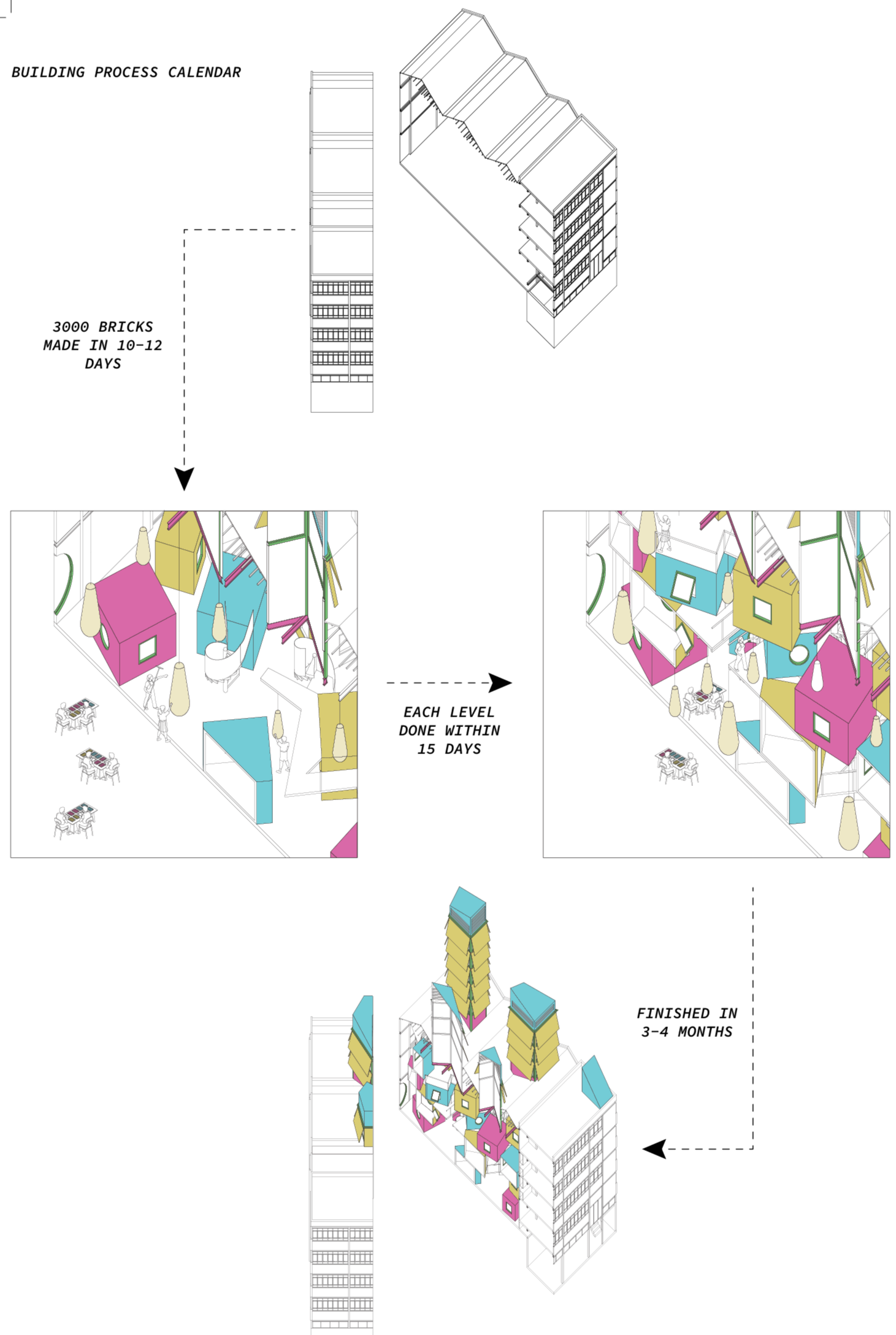
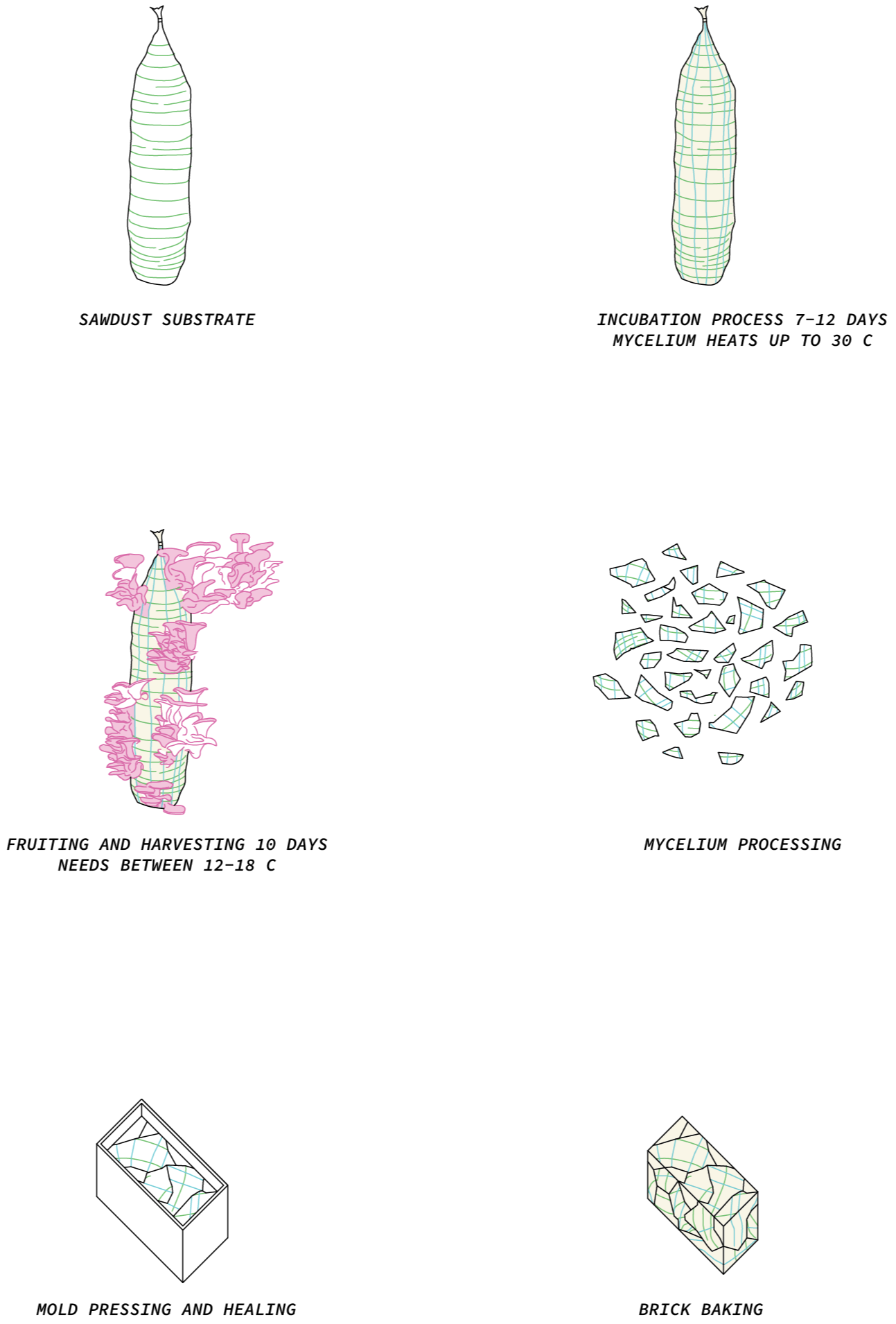
The project proposes the use of mushrooms across climate mediation, food production, and housing construction. This is the process by which mushrooms are grown in housing, and mycelium bricks are produced to initiate the building process.
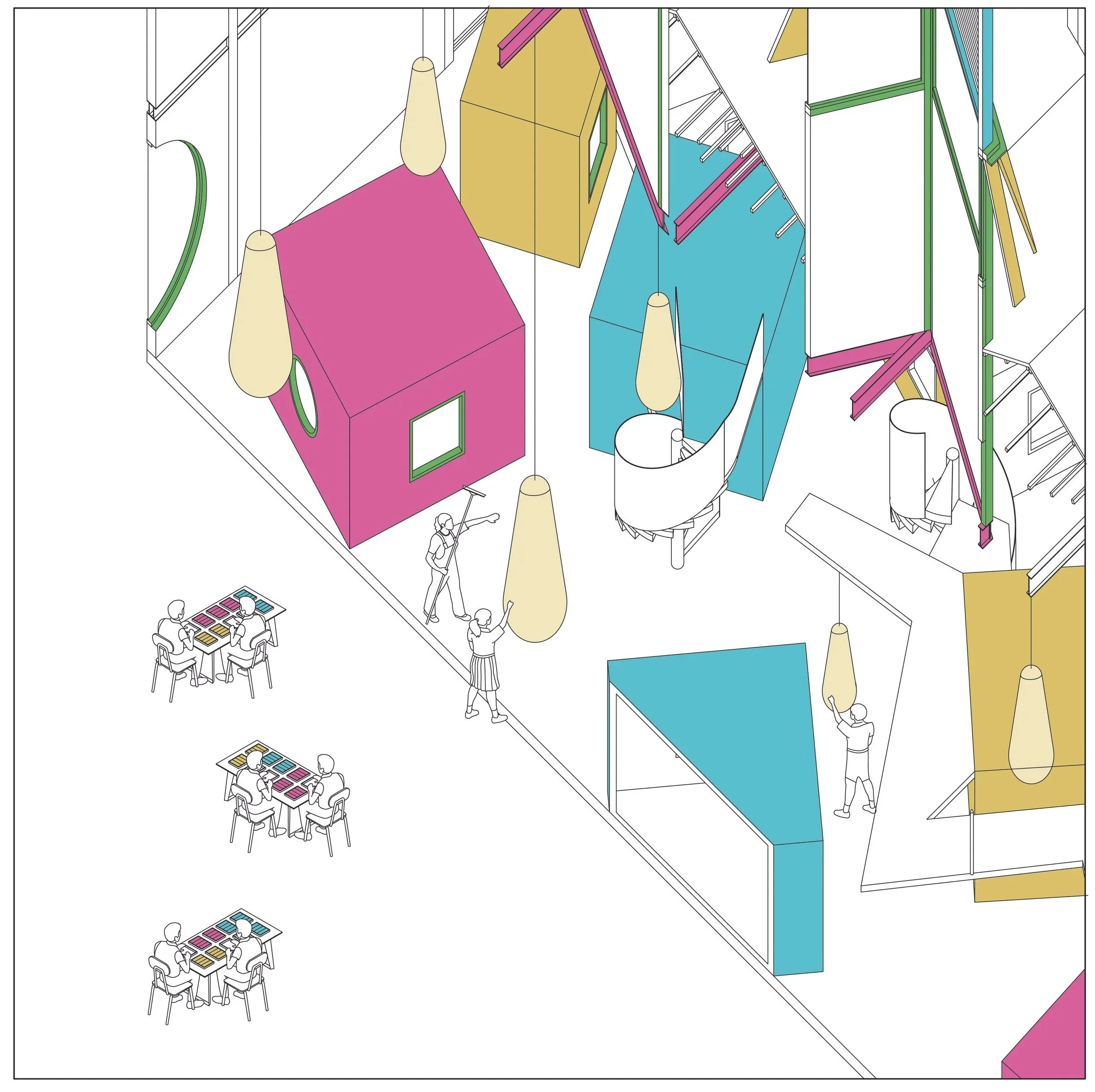
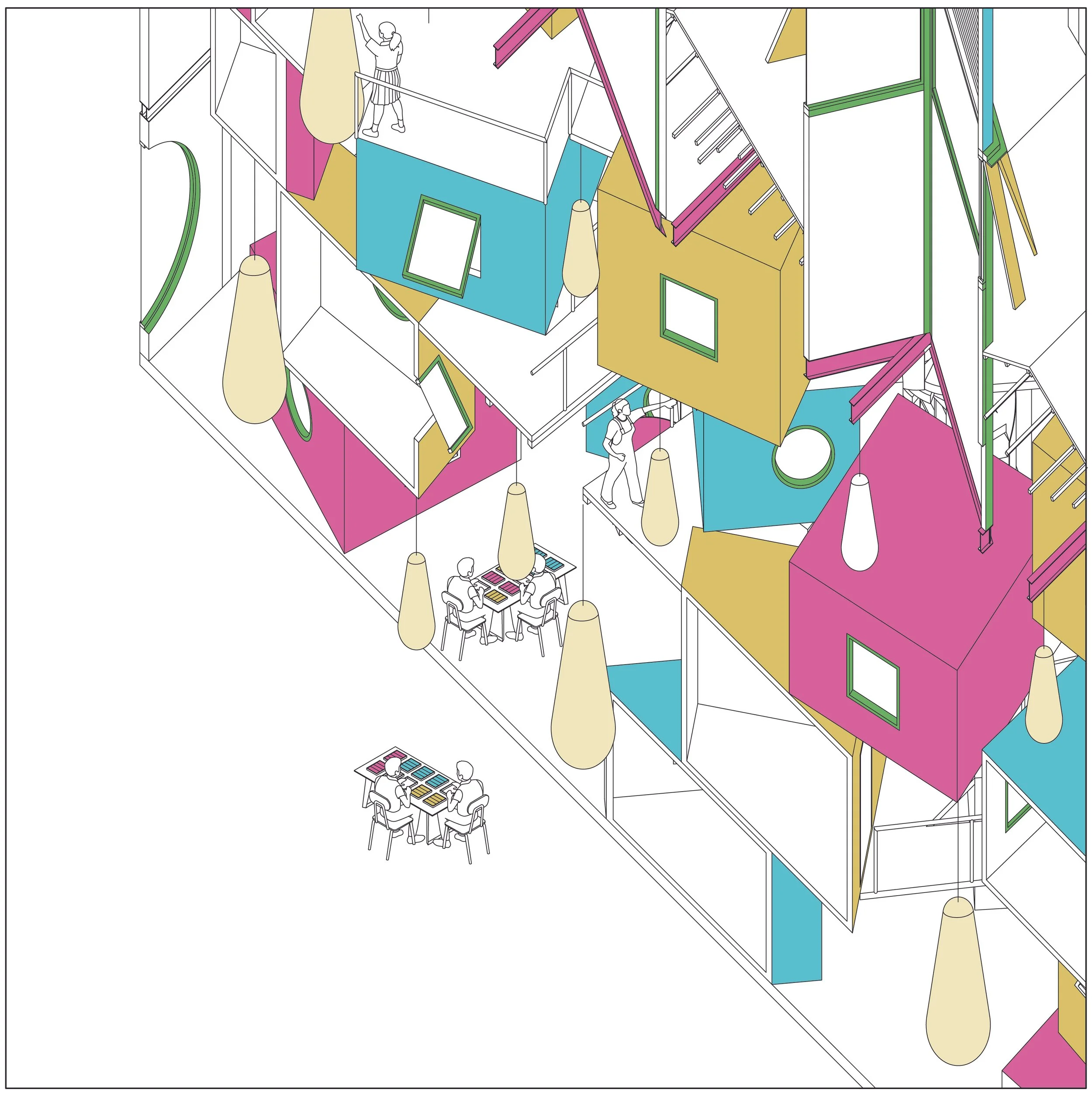
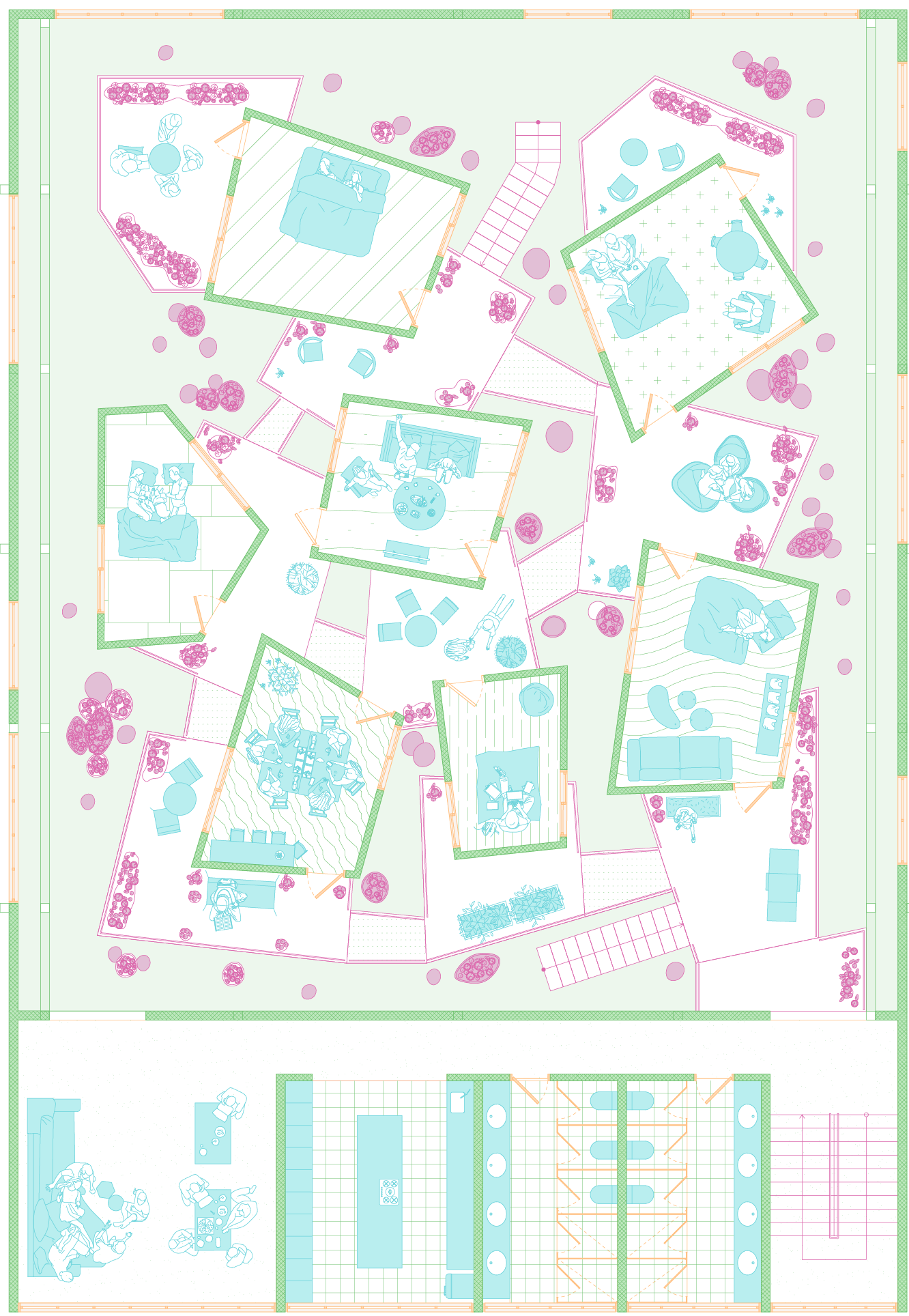
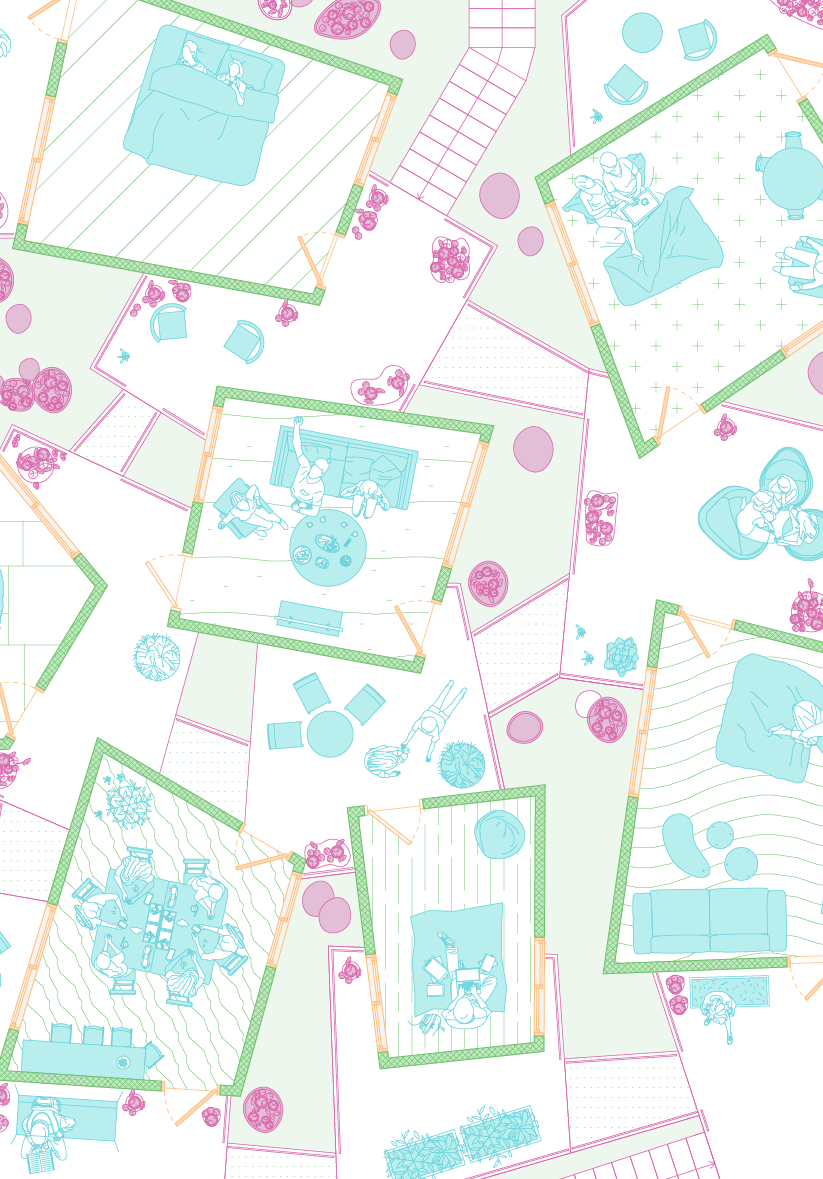
FLOOR PLAN:
WINTER SECTION:
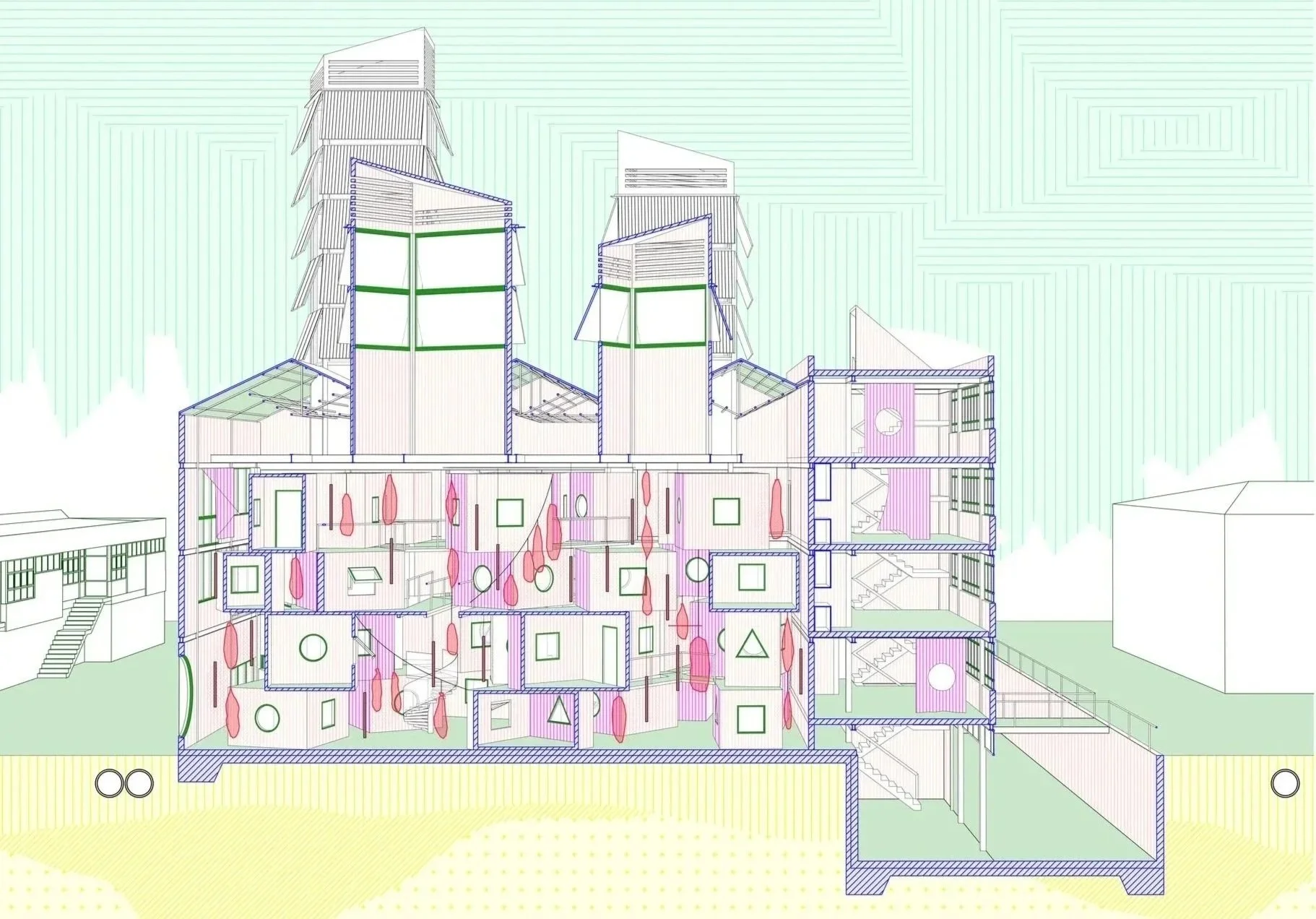
The mushrooms need a certain level of heat at different points of the growing process, which is also used by occupants to heat their own units. Creating a symbiotic use of the need for heating.

SUMMER SECTION:
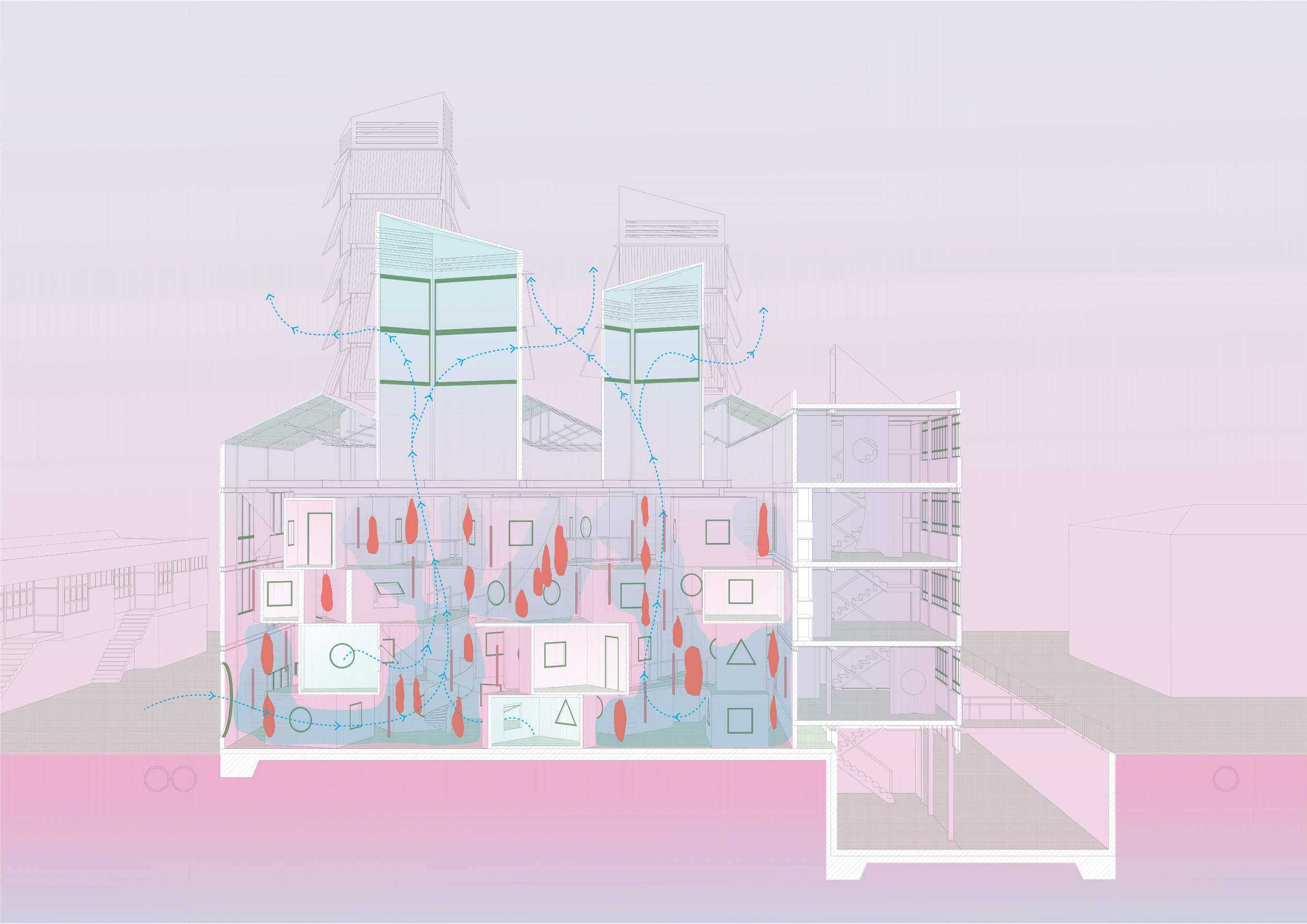
When heat levels are too high for either humans or mushrooms, the sun chimneys open, creating a flow of cool air throughout the project. Again, using the architecture as a vehicle to manage both occupants needs.